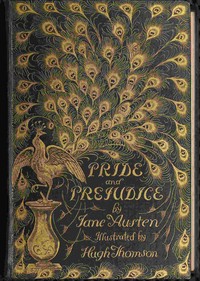
Pride and Prejudice by Jane Austen
Jane Austen
Description
Pride and Prejudice by Jane Austen is one of the most celebrated novels in English literature and a classic story of love, family, social expectations, and personal transformation. First published in 1813, the novel follows Elizabeth Bennet, an intelligent, independent, and outspoken young woman whose life is shaped by the expectations of nineteenth-century English society.
When Elizabeth meets the wealthy and seemingly arrogant Mr. Fitzwilliam Darcy, she quickly develops a negative impression of him. Darcy, meanwhile, struggles with his own pride and assumptions. As their lives continue to intersect, both characters are forced to reconsider their first impressions and confront their own prejudices.
Why Read Pride and Prejudice?
Reading this classic offers more than a romantic story. Jane Austen uses wit, irony, and memorable characters to examine important themes such as love, marriage, social class, reputation, family expectations, wealth, and personal judgment.
The novel remains relevant because it explores a universal question: How accurately do we understand other people—and how often do our assumptions affect our relationships?
Readers interested in classic literature, historical fiction, romance, character development, or social commentary can find plenty to explore in Austen's work.
What Is Pride and Prejudice About?
The story centers on Elizabeth Bennet and her four sisters as they navigate family expectations and the pressures surrounding marriage. Elizabeth's encounter with Mr. Darcy becomes increasingly complicated as misunderstandings, social differences, and personal assumptions shape their relationship.
Alongside Elizabeth and Darcy's story, Austen presents several contrasting relationships that reveal different attitudes toward love, marriage, financial security, and social status.
What Will You Learn from the Book?
By reading Pride and Prejudice, you can explore:
How first impressions can influence our judgment of others.
The difference between genuine affection and socially motivated marriage.
How pride and prejudice can create misunderstandings.
The role of wealth and social class in relationships.
The importance of self-reflection and personal growth.
How family expectations can influence individual choices.
How satire and irony can be used to criticize social conventions.
Why communication and understanding are important in relationships.
Pride and Prejudice is an engaging choice for anyone who wants to experience classic literature while exploring timeless ideas about human behavior, relationships, and society.
Language
English
Publisher
Pride and Prejudice
Year Published
1998
Categories
Fiction